Wedding Card Material Supplier in Delhi Quality Materials for Premium Invitations
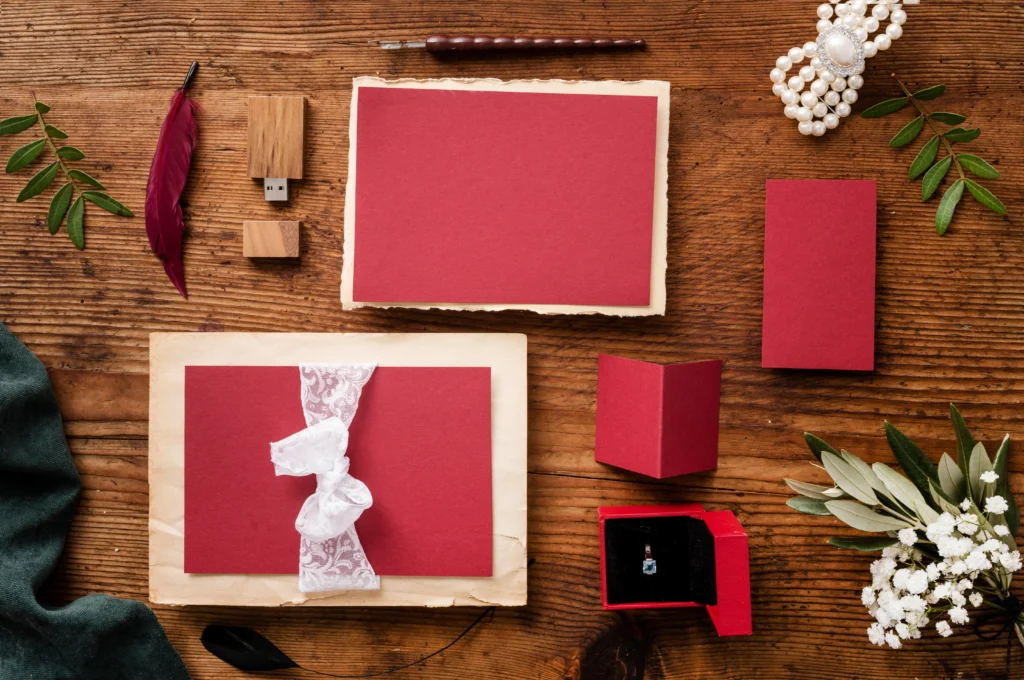
A wedding invitation is often the first glimpse guests get of the style and theme of a wedding. From the paper and texture to the finish, colour and small decorative details, every part contributes to the overall presentation. That is why choosing the right material supplier is an important step for printers, invitation designers, card manufacturers and wedding stationery businesses.
Delhi has a large market for wedding stationery and printing materials, with suppliers offering everything from specialty papers to textured sheets, decorative materials and finishing products. However, finding the right wedding card material supplier in delhi is about more than simply comparing prices. Material quality, consistency, variety and reliable supply can make a significant difference to the final invitation.
Why Wedding Card Material Quality Matters
A beautiful wedding card starts with the material used to make it.
Even a well-designed invitation can look ordinary if the paper feels too thin, the surface is inconsistent or the finishing does not match the design. On the other hand, a carefully selected material can give a card a richer appearance and a more premium feel.
Quality materials can help with:
- Better printing results
- Improved colour presentation
- Cleaner cutting and folding
- More attractive textures
- Stronger card construction
- Better compatibility with decorative finishes
- A more premium appearance
For businesses producing wedding invitations in large quantities, consistency is just as important as appearance. Every card in an order should have a similar texture, thickness and finish.
Types of Materials Used for Wedding Cards
Wedding invitations are available in countless designs, which means there is no single material suitable for every project. The right choice depends on the card style, printing technique and desired finish.
Textured Paper
Textured paper is popular for invitations where the designer wants to create a distinctive tactile effect. Linen, handmade-look and other textured finishes can add character without requiring excessive decoration.
These materials can work particularly well with minimalist, traditional or elegant invitation designs.
Specialty Paper
Specialty papers are available in different weights, surfaces and finishes. They can be selected according to the type of invitation being produced.
For premium wedding cards, designers often pay attention not only to colour but also to how the paper feels when handled.
Handmade and Decorative Materials
Traditional and handcrafted-looking wedding invitations often use decorative materials to create a more distinctive appearance.
These may be combined with printing, embossing, foiling, ribbons or other embellishments to create a personalised invitation.
Metallic and Shimmer Materials
Metallic or shimmer surfaces can add a festive appearance to wedding stationery. They can be useful for invitations where gold, silver or other reflective elements are part of the overall design.
However, the material needs to be compatible with the selected printing and finishing process.
Covering and Binding Materials
Some elaborate invitation formats require additional materials for covers, folders or box-style packaging. The material needs to be durable enough for the structure while still complementing the visual design.
Choosing Materials for Premium Wedding Invitations
A premium invitation does not necessarily need the most expensive material available. The better approach is to choose a material that suits the design and production method.
Consider the Card Design
Start with the design rather than the material.
A simple invitation may look better with a high-quality textured sheet than with an overly decorative material. A traditional wedding card, on the other hand, may require richer colours, decorative surfaces or layered materials.
Check the Thickness
Thickness affects how a card feels when held.
If the invitation is expected to have a rigid, premium feel, a suitable heavier material may be required. For folded invitations, however, excessive thickness can make folding more difficult.
Always consider the final construction before selecting the material.
Look at the Surface
The surface determines how the invitation looks and how certain printing methods perform.
A smooth surface may be appropriate for detailed printing, while a textured surface can create a more handcrafted appearance.
Think About Printing
Not every material performs equally well with every printing technique.
Before ordering in bulk, test the material with the intended printing method. This can help identify issues such as ink absorption, colour variation or poor finishing.
Match the Colour
Colour can significantly affect the final appearance of a wedding invitation.
Popular choices may include white, ivory, cream, pastel shades, deep colours and metallic tones. The material colour should complement the typography, artwork, borders and decorative elements.
Why Samples Are Important
Ordering a large quantity without seeing the material first can create unnecessary problems.
A sample allows you to check:
- Actual colour
- Texture
- Thickness
- Surface quality
- Printing performance
- Folding behaviour
- Cutting quality
- Compatibility with finishing
For professional printers and card manufacturers, sample testing can be especially useful when working on a new invitation design.
A photograph on a website cannot always show the exact feel of a material, so physical samples remain valuable.
What to Look for in a Wedding Card Material Supplier
The supplier you choose can affect both the quality of your finished invitations and the reliability of your production schedule.
Product Variety
A supplier with a broad material range gives designers more flexibility. You can compare different textures, colours, finishes and thicknesses rather than being limited to one or two options.
Consistent Quality
Consistency matters when producing hundreds or thousands of invitations. Material supplied at different times should remain reasonably consistent with the original sample.
Bulk Availability
Wedding invitation businesses often work with large orders. Before finalising a design, confirm whether the supplier can provide the required quantity within your expected timeline.
Reliable Delivery
A delay in material supply can affect printing, finishing and final delivery to the customer. Choose a supplier that takes order schedules seriously.
Custom Requirements
Some projects require specific colours, sizes, finishes or material specifications. A supplier that understands customised requirements can be useful for specialised invitation projects.
Technical Knowledge
A good supplier should be able to discuss material properties and help customers understand which options may work for particular applications.
Delhi as a Wedding Card Material Market
Delhi is a major centre for printing, packaging and wedding stationery businesses. Designers and manufacturers can access a wide variety of paper and specialty materials through local suppliers and manufacturers.
This makes Delhi an attractive sourcing location for businesses that need wedding card materials for both small projects and bulk production.
However, having many suppliers also means buyers need to compare them carefully. Instead of choosing solely on price, consider product quality, availability, consistency and service.
Buying in Bulk: What Businesses Should Consider
Bulk purchasing can be economical, but it should be planned carefully.
Before placing a large order, confirm the:
- Required quantity
- Material specifications
- Sheet or roll dimensions
- Colour
- Thickness
- Finish
- Delivery schedule
- Packaging requirements
- Replacement policy for damaged material
It is also a good idea to keep a sample from an approved batch for future comparison.
This can be helpful when a wedding card design needs to be reproduced several months later.
Avoid Choosing Materials Based Only on Price
Price is naturally important, especially for businesses working with tight production budgets. But the cheapest material may not always provide the best overall value.
Poor-quality material can result in:
- Printing problems
- Wastage
- Uneven finishing
- Damaged cards
- Customer complaints
- Additional production costs
Instead of asking only, “What is the cheapest option?”, consider the total cost of producing a finished invitation.
A slightly better material that produces fewer defects may ultimately be more economical.
Working With Unittex
Unittex provides materials for businesses involved in printing, stationery, packaging and related applications.
For businesses searching for a wedding card material supplier in delhi, choosing a supplier with material variety and an understanding of professional requirements can make the sourcing process easier.
Whether the project involves a traditional wedding invitation, a contemporary design or a premium customised card, material selection should be based on the intended design, printing process and final presentation.
Businesses can also benefit from discussing their requirements with the supplier before placing a large order. This helps ensure that the selected material is appropriate for the project.
Storing Wedding Card Materials Properly
Even high-quality material can develop problems if it is stored incorrectly.
Paper and specialty materials should generally be protected from excessive moisture, direct sunlight, dust and extreme environmental conditions.
Keep materials properly packed and stored in a clean, dry environment. Avoid placing heavy objects on delicate sheets if they could cause bending or surface damage.
For larger inventories, organise materials by type, colour, thickness and finish. Good storage practices make it easier to locate the right material and reduce unnecessary wastage.
Questions to Ask Before Placing an Order
If you are comparing suppliers, a few simple questions can help:
Is the material available in the required quantity?
This is particularly important for large wedding orders.
Can I receive a sample?
A physical sample allows you to evaluate the material before committing to a larger purchase.
Is the quality consistent between batches?
Consistency matters when an invitation needs to be reproduced.
Forgetting the Cable
Some products may be sold as charging cables, while others may include additional components. Check exactly what is included in the package.
Will the material work with my printing process?
Always test compatibility before bulk production.
What are the available colours, textures and finishes?
More options can give designers greater creative flexibility.
How is the material packed for delivery?
Proper packaging helps reduce the risk of damage during transportation.
Final Thought
The right material can make a noticeable difference to the look and feel of a wedding invitation. From textured papers and specialty sheets to decorative and premium finishes, the choice should be guided by the design, printing method, durability and desired presentation.
When searching for a wedding card material supplier in delhi, don’t focus on price alone. Look for consistent quality, useful material options, reliable availability, proper packaging and a supplier that understands the practical needs of invitation manufacturers and designers.
For businesses such as printers, stationery manufacturers and wedding card designers, building a dependable relationship with a quality material supplier can make future projects easier and help maintain a consistent standard across every invitation.
Recent Articles
-
Best Garmin Watch Bands in India: Top Brands, Styles and Buying Tips (2026)
-
Six Carts, One Habit: Buy the Gift Card First
-
Wedding Card Material Supplier in Delhi Quality Materials for Premium Invitations
-
Amazfit Chargers: Types, Features and How to Choose the Right One
-
When to Call a Home Visit Doctor in Mauritius