Wildlife Photography: The Beauty and Art of the Wild
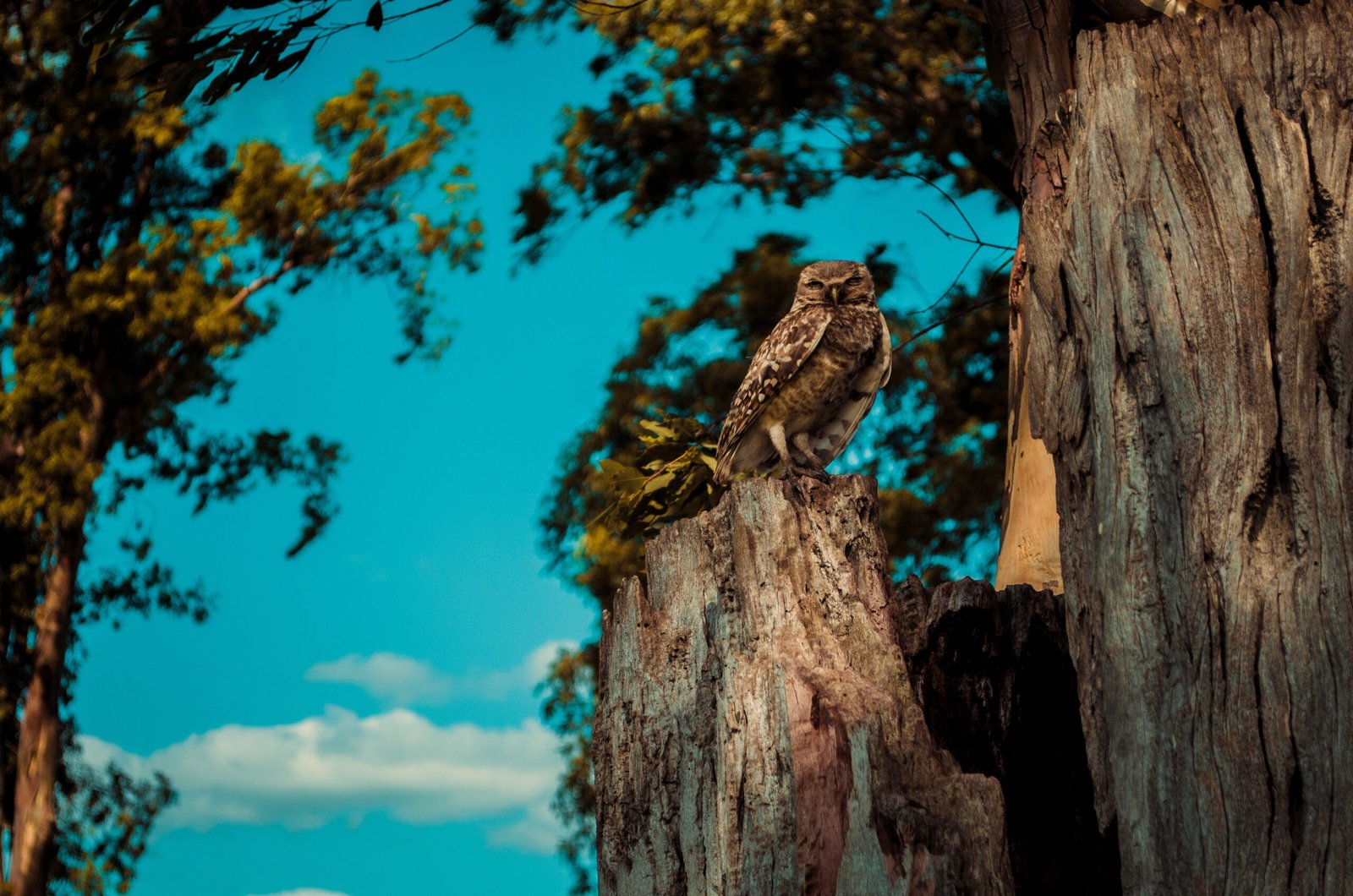
Wildlife photography is more than just capturing pictures of animals. It is about observing nature, understanding animal behaviour, and preserving the beauty of the natural world through a camera lens. From a bird spreading its wings in the morning sunlight to a tiger walking quietly through the forest, every moment tells a story worth capturing.
At Naturewanderers, wildlife photography is a way to connect with nature and share its wonders with people who appreciate the beauty of the wild.
The Beauty of Wildlife Photography
Nature has its own rhythm, and wildlife photographers learn to follow it. Animals do not pose for the camera, and the most memorable photographs often come from moments that happen unexpectedly. A deer drinking water beside a river, an eagle searching for its next meal, or a family of elephants moving together through the grasslands can create powerful images.
These moments remind us that the natural world is full of life, movement, and emotion. Wildlife photography allows us to experience these moments again and share them with others, even if they have never visited a forest or wildlife sanctuary.
The Art Behind Every Wildlife Photograph
Taking a good wildlife photograph requires more than an expensive camera. Patience, observation, timing, and an understanding of natural light all play an important role.
Photographers often spend hours waiting quietly for the right moment. Sometimes, the perfect shot appears within seconds. At other times, an entire day passes without capturing the image they hoped for. This uncertainty is part of what makes wildlife photography so rewarding.
Composition also matters. The way an animal stands against its surroundings, the light falling across its feathers, or the expression in its eyes can transform an ordinary picture into something memorable.
For photographers associated with Naturewanderers, the aim is not simply to take beautiful photographs but to capture the natural character of wildlife without disturbing it.
Patience and Understanding Nature
Wildlife photography teaches people to slow down and pay attention to their surroundings. Animals follow their own routines, and understanding these patterns can help photographers anticipate interesting moments.
Learning about animal behaviour, habitats, feeding patterns, and seasonal movements can make a real difference. A photographer who understands the environment is often better prepared to capture a natural moment.
Weather conditions also influence the experience. Early mornings may offer soft light and active wildlife, while mist, rain, and changing skies can add a distinctive atmosphere to photographs.
The best results often come from spending time in nature rather than rushing to find a perfect shot.
Essential Equipment for Wildlife Photography
A camera with a suitable telephoto lens can help photographers capture animals from a respectful distance. However, equipment should support the experience rather than become its main focus.
Some useful essentials include:
– Camera and telephoto lens: Helpful for photographing distant birds and mammals.
– Tripod or monopod: Provides support when using heavier lenses.
– Binoculars: Useful for spotting wildlife before attempting a photograph.
– Extra batteries and memory cards: Important during long photography sessions.
– Weather protection: Helps protect equipment from rain, dust, and changing conditions.
Beginners do not need to purchase everything at once. Learning to use the equipment they already have, understanding light, and practising regularly are excellent ways to improve.
Wildlife Photography and Conservation
One of the most valuable aspects of wildlife photography is its ability to raise awareness about conservation. A photograph can show people the beauty of an endangered species, the importance of a healthy habitat, or the effects of environmental changes.
Images of wildlife can encourage people to learn more about forests, wetlands, grasslands, and marine ecosystems. They can also help conservation organisations communicate why protecting these places matters.
However, responsible photography must always come first. Photographers should maintain a safe distance from animals, follow local rules, avoid disturbing nests and breeding areas, and never put wildlife at risk for the sake of a photograph.
At Naturewanderers, respect for nature should remain at the heart of every wildlife photography experience. The photograph is important, but the well-being of the animal always comes first.
The Challenges That Make It Special
Wildlife photography is not always easy. Long walks, changing weather, difficult terrain, and unpredictable animal movements can test a photographer’s patience. Some encounters may last only a few seconds, while others may never happen at all.
Yet these challenges are also part of the experience. Every visit to the wild offers an opportunity to learn something new. Even without a perfect photograph, observing animals in their natural surroundings can be rewarding.
With time and practice, photographers begin to notice small details they might once have overlooked: the movement of a bird’s wings, the texture of tree bark, or the way sunlight changes the colour of a landscape.
These details make wildlife photography both an artistic pursuit and a way of appreciating nature more deeply.
Why Naturewanderers Celebrates the Wild
Naturewanderers reflects the spirit of exploring the natural world with curiosity and respect. Wildlife photography fits naturally into this approach because it combines outdoor exploration, creativity, and an appreciation for the living world.
Every photograph offers a different perspective. Some images capture the strength and beauty of large animals, while others reveal the delicate details of insects, birds, and smaller creatures that often go unnoticed.
By sharing these moments, Naturewanderers can help audiences discover the richness of wildlife and understand why natural habitats deserve protection.
The goal is not just to show people what nature looks like, but to encourage them to value it.
Final Thought
Wildlife photography is an art that rewards patience, curiosity, and respect for the natural world. Behind every memorable image is a moment that may never happen in exactly the same way again. Capturing that moment requires an observant eye, a willingness to wait, and an understanding that nature follows its own rules.
For Naturewanderers, the real beauty of wildlife photography lies in the connection it creates between people and the wild. A photograph may last for years, but the experience of witnessing wildlife in its natural habitat can stay with a person for a lifetime.
Ultimately, the best wildlife photograph is not simply the one that looks beautiful. It is the one that tells a meaningful story, inspires appreciation for nature, and reminds us of our responsibility to protect the world we share with wildlife.
Recent Articles
-
Best Garmin Watch Bands in India: Top Brands, Styles and Buying Tips (2026)
-
Six Carts, One Habit: Buy the Gift Card First
-
Wedding Card Material Supplier in Delhi Quality Materials for Premium Invitations
-
Amazfit Chargers: Types, Features and How to Choose the Right One
-
When to Call a Home Visit Doctor in Mauritius